Our Short List of 3

- Best for: Gardeners covering several in-ground or raised beds who want the cleanest straw layer they can spread by hand.
- Material: Non-GMO wheat straw, thoroughly cleaned with enhanced seed filtration
- Bale size: 3 cu ft, 20 lb
- Coverage: up to 100 sq ft at a 2 to 3 inch layer
- Package dimensions: 17 x 11 x 26 inches

- Best for: Resting beds, garlic rows and larger rough areas where a loose, weather-shedding cover matters more than a tidy finish.
- Material: Organic garden straw, Pacific Northwest grown
- Weight: 10 lb compressed pack
- Coverage: up to 150 sq ft
- Listed uses: Gardening, flower beds, yard landscaping, new lawn seeding, composting

- Best for: Raised bed and container gardeners who need winter cover without storing a bulky bale.
- Material: Coconut husk chips
- Format: Compressed block, 10 lb
- Expanded volume: 2 cubic feet (58 quarts)
- Certification: OMRI Listed, peat free
All 5 Picks at a Glance
| Product | Specs | Action |
|---|---|---|
| HealthiStraw GardenStraw, 3 cu ft |
| Check price on Amazon |
| Blue Mountain Hay Organic Garden Straw, 10 lb |
| Check price on Amazon |
| Back to the Roots Organic Coconut Husk Mulch |
| Check price on Amazon |
 USA Pinestraw Long Needle Pine Straw Mulch |
| Check price on Amazon |
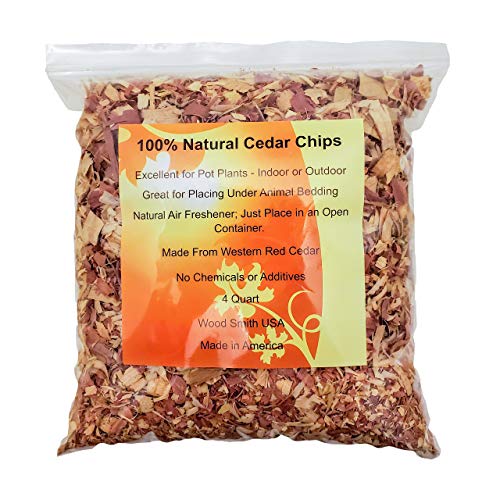 Wood Smith USA Cedar Shavings, 4 Quart |
| Check price on Amazon |
Key takeaways
- Compare winter mulch for vegetable gardens: cleaned wheat straw, organic straw, coconut husk, pine straw and cedar, with coverage and depth guidance.
Choosing a winter mulch is really a decision about insulation versus spring cleanup. A deep, airy layer buffers the freeze and thaw cycles that heave garlic cloves and perennial crowns out of the soil, but a material that mats down when wet can hold cold water against those same crowns. Go too coarse and wind strips the bed bare by January. The right pick depends on what is growing under it and how you plan to handle the layer when planting season returns.
This roundup is for gardeners overwintering garlic, strawberries and perennial herbs, growers resting empty beds until spring, and raised bed gardeners with little storage space. Each pick was chosen from its Amazon listing name and specifications: the material itself, the bale or bag size, and the coverage the listing states, so you can match a product to your beds without guessing.
Quick Picks
As an Amazon Associate we earn from qualifying purchases
| Product | Best for | Key spec from title |
|---|---|---|
| HealthiStraw GardenStraw | Thick insulation over garlic and strawberry beds | 3 cu ft cleaned wheat straw bale, 20 lb |
| Blue Mountain Hay Organic Garden Straw | Rough cover on resting beds and garlic rows | 10 lb organic straw, covers up to 150 sq ft |
| Back to the Roots Coconut Husk Mulch | Raised beds when storage space is tight | 10 lb block expands to 2 cu ft |
| USA Pinestraw Long Needle Pine Straw | Windy beds and paths that need a knitted mat | One set covers 240 sq ft |
| Wood Smith USA Cedar Shavings | Containers, crowns and small perennial patches | 4 quart bag of natural cedar shavings |
How to Choose
Match the material to the winter job
Straw, coconut husk, pine needles and cedar all sit on a bed differently. Chopped straw forms a lofty blanket full of air pockets, which is what insulates soil against temperature swings. Coconut husk chips keep their structure when wet and resist compaction. Long pine needles knit together into a mat that sheds water and stays put. Cedar shavings last the longest but feed the soil very little. Decide first whether your priority is insulation, staying power in wind, or a layer you can simply work into the bed in spring.
Read coverage claims at winter depth
Listings often state coverage at a thin seeding layer, sometimes a quarter inch, because many of these products also serve lawn seeding. A winter blanket over garlic or empty beds goes on several inches deep, so the same bale covers a fraction of the headline area. Do the depth math before ordering: multiply your bed area by the depth you actually plan, in feet, to get cubic feet, then compare that figure with the bale or expanded volume on the listing. GardenStraw’s maker, for example, frames its 3 cu ft bale around a two to three inch layer.
Check how clean the straw really is
The difference between straw products is mostly what was removed before bagging. Processed garden straw is cut short and filtered to reduce dust, dirt and grain heads, which matters because every wheat seed left in the bale can sprout in your bed come spring. Looser, minimally processed straw keeps long stems that shed rain well but usually carries more seed. Neither is automatically better: a bed you will plant into early needs the cleaner material, while rough cover on a resting bed tolerates sprouts you can hoe off later.
Plan the spring exit before you spread
Some winter mulches are meant to disappear. Straw breaks down over the season and the remainder can be raked aside, composted or dug in where it lies. Coconut husk and pine straw hold together much longer, so they usually need raking off beds and moving to paths or perennial borders in spring. Cedar lasts longest of all and belongs where permanence is welcome. Also weigh storage: a compressed bale or expanding block waits neatly in a corner, while loose straw needs dry space of its own.
The 5 Best Options
HealthiStraw GardenStraw, 3 cu ft
- Best for: Gardeners covering several in-ground or raised beds who want the cleanest straw layer they can spread by hand.
- Material: Non-GMO wheat straw, thoroughly cleaned with enhanced seed filtration
- Bale size: 3 cu ft, 20 lb
- Coverage: up to 100 sq ft at a 2 to 3 inch layer
- Package dimensions: 17 x 11 x 26 inches
Gardeners covering several in-ground or raised beds who want the cleanest straw layer they can spread by hand.
The bale expands a lot once opened, so plan storage for the leftover volume, and expect a few wheat sprouts despite the filtration.
GardenStraw is the pick when one bale has to blanket several beds at real winter depth. The wheat straw is cut into shorter fibers that interlock once watered, so the layer settles into a mat instead of drifting across the yard. HealthiStraw filters the straw to remove dust, dirt and as many grain heads as the process reaches, which lowers the spring sprout load compared with field straw, though the listing is honest that not every seed can be removed. It suits garlic, strawberry beds and in-ground rows you intend to plant into early.
Blue Mountain Hay Organic Garden Straw, 10 lb
- Best for: Resting beds, garlic rows and larger rough areas where a loose, weather-shedding cover matters more than a tidy finish.
- Material: Organic garden straw, Pacific Northwest grown
- Weight: 10 lb compressed pack
- Coverage: up to 150 sq ft
- Listed uses: Gardening, flower beds, yard landscaping, new lawn seeding, composting
Resting beds, garlic rows and larger rough areas where a loose, weather-shedding cover matters more than a tidy finish.
Long stems are awkward around small plants, and the seed content means this is not the bale for a bed you weed carefully by hand.
This is the rougher, longer-stemmed option, grown in the Pacific Northwest and sold as organic garden straw. The loose stems form an airy layer that sheds rain rather than soaking it up, which works well over winter garlic and beds you plan to leave alone until spring. Because it is minimally processed, it arrives closer to field straw than the cleaned bales: expect longer pieces and a higher seed load. On rough ground that trade is sensible, since the layer stands up to wind and weather while a few sprouts on a resting bed are easy to hoe off.
Back to the Roots Organic Coconut Husk Mulch
- Best for: Raised bed and container gardeners who need winter cover without storing a bulky bale.
- Material: Coconut husk chips
- Format: Compressed block, 10 lb
- Expanded volume: 2 cubic feet (58 quarts)
- Certification: OMRI Listed, peat free
Raised bed and container gardeners who need winter cover without storing a bulky bale.
You must soak the block before spreading, and the finished volume covers a modest area at winter depth, so larger gardens need several blocks.
For raised beds and small gardens, this compressed block solves the storage problem first: it ships as a dense 10 lb brick and expands with water into about two cubic feet of coconut husk chips. The chips resist matting, hold moisture in the soil beneath, and keep their structure through winter instead of collapsing into a soggy sheet. The listing states the mulch is OMRI Listed and peat free, which suits growers who keep their beds to organic inputs. Because coir breaks down slowly, treat it as a layer to rake aside in spring rather than dig in.
USA Pinestraw Long Needle Pine Straw Mulch
- Best for: Windy or sloped gardens, paths between beds, and perennial borders where a mat that stays in place matters most.
- Material: Long needle pine straw, USA harvested
- Coverage: 240 sq ft per set
- Brand: USA Pinestraw
- Model number: PINE124
Windy or sloped gardens, paths between beds, and perennial borders where a mat that stays in place matters most.
The needles are bulky to store, and the layer needs moving aside before spring sowing rather than being worked into the soil.
Long pine needles behave differently from every chopped product here: spread over a bed, they interlace into a springy mat that wind and heavy rain struggle to move. That makes this set a strong choice for exposed vegetable plots, the paths between beds, and perennial borders that stay mulched year after year. One set covers a large area, so a single purchase can dress several beds. Pine straw is not a dig-in material for spring planting rows; rake it onto paths or around perennial plantings when the beds open up, and keep it off beds where you need a fine seedbed early.
Wood Smith USA Cedar Shavings, 4 Quart
- Best for: Small-scale winter protection around crowns, containers and single beds where a full bale would be wasted.
- Material: Natural cedar shavings, 100 percent cedar
- Bag size: 4 quart, packed close to 5 quarts
- Origin: Made in USA, hand packed
- Listed uses: Outdoor and indoor potted plants, hanging planters, mulch
Small-scale winter protection around crowns, containers and single beds where a full bale would be wasted.
The quantity is small, so it is a top-up product rather than whole-garden coverage, and shaving sizes vary because it is a natural material.
This small bag fills the gaps the big bales cannot: tucking around perennial crowns, topping containers that stay outside, and dressing a single strawberry pot or herb bed. The shavings are 100 percent natural cedar, hand packed in the USA, and the listing notes the bag is filled generously, close to five quarts. Cedar holds moisture in the soil surface and gives off a mild scent while it sits. It decomposes slowly, so plan to rake it off vegetable soil in spring and move it to paths or shrub borders instead of digging it in.
Which One Fits Your Situation
You are putting garlic and strawberries to bed
Choose GardenStraw and spread it deep once the soil has cooled. The cut, filtered fibers settle into an even blanket that buffers freeze and thaw cycles, and the reduced seed load means fewer wheat sprouts competing with your cloves in spring. One 3 cu ft bale handles a few beds at a proper insulating depth without repeat orders.
Your beds are empty and resting until spring
Blue Mountain Hay straw fits a bed nobody will touch for months. The long, loose stems shed rain, stand up to wind, and slowly return organic matter as they fade. Sprouts matter less here because the first spring hoeing clears them. Gardeners who want the same job with a cleaner finish can substitute GardenStraw instead.
You garden in raised beds with nowhere to store a bale
The Back to the Roots block waits on a shelf as a compact brick, then expands with water when you are ready to mulch. Spread the husk chips over raised beds and containers, where their resistance to matting keeps winter rain moving through instead of pooling on the surface of the soil.
Your plot is windy, sloped or mostly paths and perennials
Pine straw earns its place where chopped straw blows away: the long needles knit into a mat that stays put on slopes and exposed beds through months of winter weather. Use the cedar shavings for the smaller work in the same garden, tucked around crowns and packed into containers that overwinter outdoors.
Common Mistakes
- Spreading winter mulch while the soil is still warm, which invites rodents to nest in the layer and can keep crowns too wet; wait until the ground has cooled and begun to freeze.
- Grabbing hay instead of straw, since hay is cut with its seed heads on and can fill a vegetable bed with sprouting grass and weeds by spring.
- Piling mulch tight against crowns and stems, where trapped moisture encourages rot; leave a small gap around each plant.
- Trusting the coverage figure on the bag without checking the depth behind it, then running short halfway across the garden at winter depth.
- Pulling the whole layer off during the first mild week, exposing soil to the hard freezes that often follow; remove it gradually as the soil warms.
Frequently Asked Questions
How deep should winter mulch be over a vegetable garden?
For overwintering crops such as garlic and strawberries, a layer around four to six inches of loose straw settles to a protective blanket that still lets water through. Empty beds need less, roughly two to three inches, because the goal there is shielding the surface from erosion and temperature swings rather than insulating living crowns.
When should winter mulch go on, and when should it come off?
Apply it after the soil has cooled and light freezes have begun, often late autumn, so the layer locks in cold rather than warmth. In spring, pull it back gradually as the soil warms and growth resumes, moving straw to the compost or paths instead of removing it all on the first mild day.
Is straw or hay the better winter mulch for vegetables?
Straw is the safer choice because it is the stalk left after grain harvest and carries far fewer seeds. Hay is dried forage cut with seed heads intact, so it often sprouts in the bed. If you use straw, a cleaned and filtered product lowers the sprout count further, though no natural straw is completely seed free.
Can I leave winter mulch on the bed and dig it in during spring?
Straw can be dug in or composted once beds open up, since it breaks down readily and returns carbon to the soil. Coconut husk, pine straw and cedar decompose much more slowly, so those layers are better raked off planting rows and reused on paths or around perennials instead.