Our Short List of 3
All 4 Picks at a Glance
| Product | Specs | Action |
|---|---|---|
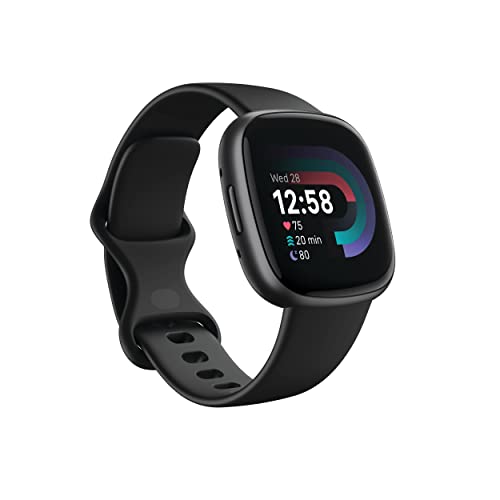 Fitbit Versa 4 (B0B4MWCFV4) | Check price on Amazon | |
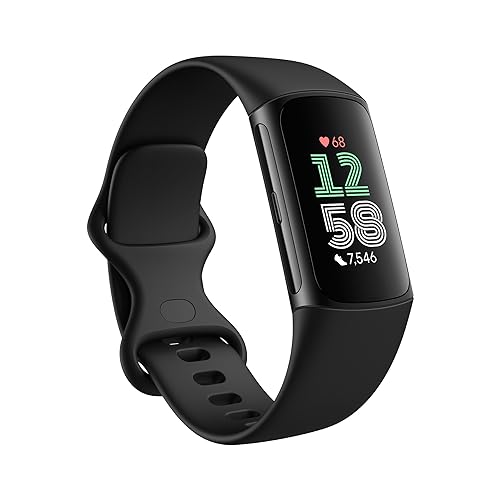 Fitbit Charge 6 (B0CC62ZG1M) | Check price on Amazon | |
 Fitbit Inspire 3 (B0B5F9SZW7) | Check price on Amazon | |
 Samsung Galaxy Watch 7, 40mm (B0D1YQKDML) | Check price on Amazon |
Key takeaways
- Bargain smartwatches and trackers that pair with Google Pixel phones, with an honest compatibility note for the original Pixel XL and its older Android version.
A bargain smartwatch only stays a bargain if it actually pairs with your phone. Pixel owners are in a fortunate position: Google owns Fitbit, so Fitbit watches and trackers are built to work smoothly with Pixel phones, and Samsung’s Galaxy Watch line also supports Pixel handsets through its own companion app. This guide gathers four value-priced options that are still sold new on Amazon US, explains what each one does well, and starts with the one compatibility detail that owners of the original Pixel XL need to know before spending anything.
The Pixel XL compatibility note, stated plainly
The first Pixel XL, released in 2016, stopped at Android 10. That matters because companion apps keep moving. The Fitbit app has historically kept supporting older Android versions longer than most, which makes Fitbit models the realistic route for a first-generation Pixel XL. Samsung’s Galaxy Wearable app, by contrast, asks for a recent version of Android, so the current Galaxy Watch line is aimed at owners of newer Pixel phones rather than the original XL. Whichever watch catches your eye, open its companion app listing on your phone first and confirm the app installs. That thirty-second check prevents the most common disappointment with this pairing.
What separates the picks
Watch versus tracker. A smartwatch gives you a full screen, apps, and replies from the wrist. A tracker gives you the health and notification essentials in a slim band with far longer battery life. Both appear below, because the right bargain depends on which of those you actually want.
Battery life. The Fitbit models run for the better part of a week between charges, while the Galaxy Watch is a charge-every-day-or-two device. If you want sleep tracking without planning around a charger, the trackers win easily.
Health sensors. All four picks track heart rate, steps, sleep and exercise. The Charge 6 adds an ECG app and an EDA sensor for stress readings, features that used to live only in premium models.
Notifications and extras. Every pick shows calls, texts and app alerts from a paired Pixel. The Galaxy Watch adds the fullest app ecosystem and the brightest screen, at the cost of battery life and a higher position in the segment.
What a bargain watch can and cannot do
Setting expectations keeps a bargain purchase satisfying. Every pick here handles the core jobs well: notifications you can triage without pulling out your phone, calls and quick replies from the wrist on the full watches, step and workout tracking, sleep staging, and heart rate trends that are genuinely useful for spotting changes over time. None of them replaces a medical device, and their sensors should be read as wellness guidance rather than diagnosis. Where the segment’s limits appear is in third-party apps: Fitbit’s app catalogue is small compared with Wear OS, so if you want to run many standalone apps on the watch itself, the Galaxy Watch is the only pick here that truly delivers that. Battery expectations also need honesty. A tracker that runs a week or more between charges changes how you live with it, because sleep tracking happens by default instead of when you remember to charge. A full smartwatch that needs a charge every day or two gives you a bigger screen and richer apps in exchange for that habit.
Straps, sizing and comfort
A watch worn around the clock has to disappear on the wrist. The two trackers here are slim bands that suit smaller wrists and sleep comfortably. The Versa 4’s case sits in the middle of the size range and ships with small and large straps in the box, so fit is rarely a problem. The Galaxy Watch 7 in its 40mm size is the compact member of Samsung’s line and works on most wrists. All four picks use standard quick-release or widely available replacement straps, so a worn or sweaty band is a cheap fix rather than a reason to replace the watch. If you swim, all four carry water resistance suitable for pool use; rinse any of them after salt water and avoid pressing buttons underwater.
Why no-name watches are a false economy
Search results for bargain smartwatches are full of unknown brands promising flagship features at a fraction of the cost. They are excluded here deliberately. The recurring problems are companion apps that stop being updated, which eventually breaks pairing with a newer phone; health sensors with no validation behind their numbers; and batteries that fade within a year. A Fitbit or Samsung device at the value end of the market costs a little more and keeps working because the app behind it is maintained. With a watch, the software is the product, and that is where the bargain has to be real.
The picks
Fitbit Versa 4 (B0B4MWCFV4)
The Versa 4 is the fullest smartwatch experience in this bargain group. Its large, bright display handles notifications, calls over Bluetooth, and more than forty exercise modes, while the battery runs for days rather than hours. Built-in GPS means runs and rides can be tracked without carrying the phone. Because it is a Fitbit, pairing with a Pixel phone runs through the Fitbit app, the friendliest route for older Pixel hardware. The case measures about 40.5mm across, so it suits average wrists well. If you want one device that covers fitness, sleep and everyday smart features without leaving the value end of the market, this is the default recommendation.
Fitbit Charge 6 (B0CC62ZG1M)
The Charge 6 is the tracker that behaves like a watch. It packs a bright colour screen into a slim band, then adds the sensor set of a much pricier device: ECG, EDA stress scans, skin temperature variation, blood oxygen readings and built-in GPS. Google integration is its other strength, with Google Maps turn prompts and Google Wallet payments from the wrist, both natural fits for a Pixel owner. Battery life stretches close to a week. Choose the Charge 6 if you want the health features above all else and prefer something light enough to forget during sleep.
Fitbit Inspire 3 (B0B5F9SZW7)
The Inspire 3 is the entry point of the group and the easiest recommendation for a first tracker. It covers the essentials well: heart rate, sleep stages with a morning readiness-style summary in the app, activity tracking, stress scores and phone notifications on a small colour display. It is slim, light and rated for around ten days between charges, the longest stamina here. It lacks built-in GPS and the advanced sensors of the Charge 6, which is exactly the trade that keeps it at the bargain end. For a Pixel XL owner who wants dependable basics with minimal fuss, it is the lowest-risk purchase in this guide.
Samsung Galaxy Watch 7, 40mm (B0D1YQKDML)
The Galaxy Watch 7 is the step-up pick for owners of newer Pixel phones. It runs Wear OS with a fast processor, a bright 40mm display, dual-frequency GPS and a broad app library, plus Samsung’s health suite with body composition readings from the wrist. It pairs with Pixel phones through the Galaxy Wearable app and works best on recent Android versions, which is why it is framed here as the choice for Pixel 6 and later owners rather than the original XL. Battery life is the compromise, typically a day or two. If your Pixel is current and you want the most complete smartwatch of the four, this is the one to stretch to.
Setting up the pairing so it stays connected
Most pairing complaints trace back to the phone, not the watch. Keep the companion app excluded from battery optimisation in Android settings, because aggressive power management is the main reason notifications arrive late or stop. Grant the app its notification access when prompted, and leave Bluetooth and location services on, since watches use location permission for Bluetooth scanning on Android. If a watch ever refuses to reconnect, the reliable sequence is to forget the watch in the phone’s Bluetooth settings, restart both devices, and pair again from inside the companion app rather than from the system Bluetooth menu. Fitbit owners should also know that the Fitbit app and the Google Fit ecosystem now share data through Health Connect on Pixel phones, so your steps and sleep can flow into whichever health dashboard you prefer. Five careful minutes at setup prevents nearly every frustration that gives bargain watches a bad name.
How to choose
Original Pixel XL owners should start with the Fitbit models and confirm the Fitbit app installs on the phone before ordering; among them, the Inspire 3 is the simple bargain, the Charge 6 is the health-focused bargain, and the Versa 4 is the full-watch bargain. Owners of newer Pixel phones can consider all four, with the Galaxy Watch 7 as the premium-leaning option. In every case, buy the new US version rather than a refurbished listing, since battery wear is the first thing that ages on a watch.
Frequently asked questions
Do these watches need a subscription for basic tracking? No. Core tracking, notifications and health history work without one. Fitbit sells an optional premium tier that adds deeper analysis and guided programs, but it is not required for everyday use.
Can I reply to texts from the wrist? The Versa 4 and Galaxy Watch 7 support quick replies from an Android phone. The Charge 6 and Inspire 3 show notifications and support simple preset responses.
Will a Galaxy Watch work fully with a Pixel phone? Nearly everything works, including notifications, calls and health tracking. A small number of Samsung-exclusive extras are limited to Samsung phones, which is worth knowing before you choose it over a Fitbit.
I still use the original Pixel XL. Which pick is safest? Start with the Inspire 3 or Charge 6, and install the Fitbit app on the phone before ordering to confirm it runs on your Android version. The Galaxy Watch 7’s companion app expects a newer Android than the first Pixel XL can run, so it belongs with newer Pixel models.
How accurate are the health readings? Wrist sensors from Fitbit and Samsung are well regarded for resting heart rate, sleep duration and step trends. Treat single readings as estimates and long-term trends as the useful signal, and talk to a clinician about anything that worries you.
Disclosure: As an Amazon Associate, this site may earn from qualifying purchases made through links in this article, at no additional cost to you.