Our Short List of 3
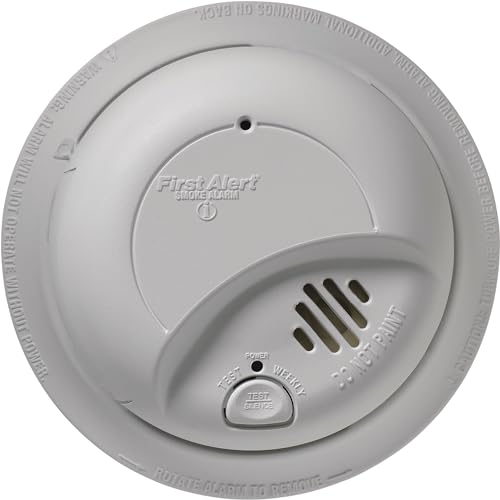
- Best for: households replacing hardwired alarms across several rooms at once.
- Sensor: ionization smoke sensor
- Power: 120-volt AC hardwired with 9-volt battery backup
- Alarm: 85-decibel horn
- Interconnect: wired, up to 18 compatible devices
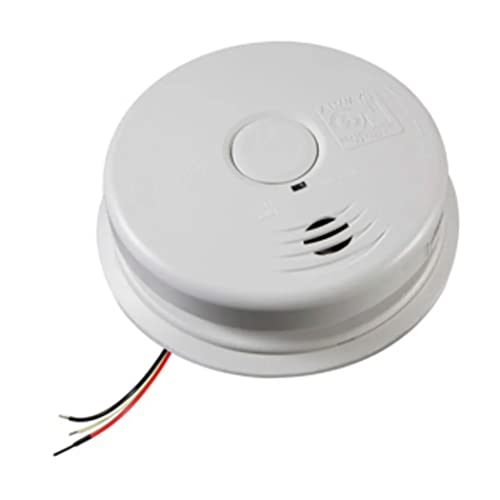
- Best for: bedrooms and hallways in homes with existing hardwired alarm wiring, where one unit should cover both smoke and carbon monoxide.
- Sensor: ionization smoke sensor plus electrochemical carbon monoxide sensor
- Power: 120-volt AC hardwired with sealed 10-year lithium battery backup
- Alarm: 85-decibel horn with voice alerts
- Interconnect: wired, up to 24 Kidde devices

- Best for: a bedroom or living room where one battery alarm should cover both smoldering and flaming fires.
- Sensor: photoelectric plus ionization dual sensor
- Power: 9-volt battery, included
- Alarm: 85-decibel horn
- Interconnect: none, standalone unit
All 4 Picks at a Glance
| Product | Specs | Action |
|---|---|---|
| 1. First Alert 9120B 6-Pack |
| Check price on Amazon |
| 2. Kidde i12010SCO |
| Check price on Amazon |
| 4. Kidde PI9010 |
| Check price on Amazon |
 5. X-Sense SC07 |
| Check price on Amazon |
Key takeaways
- Compare the best smoke detectors for home use, from hardwired combos to sealed-battery alarms, and pick reliable protection for every room today.
Every home needs smoke detectors that wake the household fast, and the right alarm depends on how the home is wired, how many rooms need coverage, and how much upkeep the household wants to handle. A hardwired alarm suits a home that already has ceiling wiring, while a sealed-battery alarm suits a room with no wiring at all. A combination unit adds carbon monoxide sensing to the same mount, which saves a second device near fuel-burning appliances.
The five alarms below are all residential smoke detectors built for home use. Each one lists its sensor type, power source, and alarm features so the household can match the device to the room. Every specification below comes from the product listing or the maker documentation.
Disclosure: As an Amazon Associate, we earn from qualifying purchases.
Quick Picks
- Best hardwired set: First Alert 9120B 6-Pack — six ionization alarms that link together on house wiring.
- Best hardwired smoke and CO combo: Kidde i12010SCO — voice alerts and a sealed 10-year backup battery.
- Best small battery alarm: X-Sense XS01 6-Pack — compact photoelectric alarms with sealed 10-year batteries.
- Best dual-sensor battery alarm: Kidde PI9010 — photoelectric plus ionization sensing on a 9-volt battery.
- Best battery combo with a display: X-Sense SC07 — smoke plus carbon monoxide sensing with a live LCD readout.
| Alarm | Sensor | Power | Interconnect | Standout feature |
|---|---|---|---|---|
| First Alert 9120B 6-Pack | Ionization | Hardwired, 120 V, 9 V backup | Wired, up to 18 devices | Six alarms for whole-home coverage |
| Kidde i12010SCO | Ionization smoke, electrochemical CO | Hardwired, 120 V, sealed 10-year backup | Wired, up to 24 devices | Voice alerts name the danger |
| X-Sense XS01 6-Pack | Photoelectric | Sealed 10-year lithium battery | None | Compact size fits small rooms |
| Kidde PI9010 | Photoelectric plus ionization | 9 V battery | None | Dual sensing catches both fire types |
| X-Sense SC07 | Photoelectric smoke, electrochemical CO | Sealed 10-year lithium battery | None | LCD shows live CO level in ppm |
How to Choose
Photoelectric vs ionization. A photoelectric sensor watches for visible smoke particles from slow, smoldering fires, such as a smoldering cushion. An ionization sensor reacts faster to invisible particles from fast, flaming fires, such as a stove fire. Neither sensor covers every fire type on its own, so many homes use photoelectric alarms in bedrooms and living areas, ionization alarms in hallways and kitchens, or a dual-sensor alarm that carries both. A dual-sensor unit is the simplest way to cover both fire types in a single ceiling mount.
Battery vs hardwired. A hardwired alarm runs on 120-volt house power with a battery backup, so it keeps sounding during a power cut, and hardwired units link together so every alarm sounds when one senses smoke. A battery alarm needs no wiring at all, so it mounts anywhere with two screws and suits rentals and older homes. The trade-off is upkeep: a 9-volt battery needs fresh cells on a regular schedule, while a sealed 10-year lithium battery removes battery changes for the life of the alarm, at which point the whole unit is replaced.
Interconnect. Linked alarms matter because a fire in a basement or garage may not wake someone sleeping two floors up. Hardwired alarms link through the house wiring, and some battery alarms link over a wireless radio signal. When one linked alarm sounds, every linked alarm sounds. Homes with more than one floor gain the most from linking; check whether new units link with the existing wiring or only with alarms of the same brand and line.
Placement. Mount one alarm inside every bedroom, outside each sleeping area, and on every level of the home, including the basement. Mount alarms on the ceiling or high on a wall, and keep them at least 10 feet from a stove or oven to cut down on cooking nuisance alarms. Keep alarms away from bathrooms, where steam can set them off, and away from windows and vents, where drafts can push smoke away from the sensor. A combination smoke and CO alarm belongs near bedrooms and fuel-burning appliances such as furnaces and water heaters.
10-year sealed battery vs replaceable. A sealed 10-year battery alarm never needs a battery change, never chirps for a low battery, and is replaced as a whole unit after a decade. A replaceable-battery alarm costs less per unit and lets the household swap a cell instead of the whole device, but it needs a fresh battery on schedule and will chirp when the cell runs low. Either type works well; the choice comes down to zero upkeep or a lower unit cost.
Best Smoke Detectors for Home Use
1. First Alert 9120B 6-Pack
- Best for: households replacing hardwired alarms across several rooms at once.
- Sensor: ionization smoke sensor
- Power: 120-volt AC hardwired with 9-volt battery backup
- Alarm: 85-decibel horn
- Interconnect: wired, up to 18 compatible devices
households replacing hardwired alarms across several rooms at once.
the ionization sensor is tuned for flaming fires, so pair it with a photoelectric alarm in living areas. A 6-pack is more than a single room needs, so a one-room job leaves spares on the shelf.
The First Alert 9120B 6-Pack is the practical pick for a household replacing alarms across a whole home in one job. Six hardwired ionization alarms arrive in a single box, so every bedroom, hallway, and level gets a fresh unit. Each alarm runs on 120-volt house power with a 9-volt battery backup, and the units link through the wiring so that one alarm sounding sets off the rest.
The ionization sensor reacts fast to flaming fires, which makes this set a good fit for hallways and bedrooms where a fast-moving fire needs an early warning. A test and silence button sits on the face of each unit, and the 85-decibel horn is loud enough to wake a sleeper behind a closed door. The alarm mounts on a universal bracket that fits most existing ceiling plates, so swapping an old unit often takes minutes.
Watch out for: the ionization sensor is tuned for flaming fires, so pair it with a photoelectric alarm in living areas. A 6-pack is more than a single room needs, so a one-room job leaves spares on the shelf.
2. Kidde i12010SCO
- Best for: bedrooms and hallways in homes with existing hardwired alarm wiring, where one unit should cover both smoke and carbon monoxide.
- Sensor: ionization smoke sensor plus electrochemical carbon monoxide sensor
- Power: 120-volt AC hardwired with sealed 10-year lithium battery backup
- Alarm: 85-decibel horn with voice alerts
- Interconnect: wired, up to 24 Kidde devices
bedrooms and hallways in homes with existing hardwired alarm wiring, where one unit should cover both smoke and carbon monoxide.
the ionization sensor is less sensitive to slow smoldering fires than a photoelectric sensor, so a photoelectric alarm nearby rounds out coverage. Mount the unit where its speaker can be heard clearly, not tucked behind a beam or inside a closet.
The Kidde i12010SCO is a hardwired combination alarm covering smoke and carbon monoxide from one ceiling mount. An ionization sensor watches for fast flaming fires, an electrochemical sensor watches for carbon monoxide, and a voice alert names the danger aloud.
Power comes from 120-volt house wiring with a sealed 10-year lithium battery as backup, so the alarm keeps working through a power cut. The unit links with up to 24 Kidde devices through the wiring, and LED lights show which alarm set the network off. A hush button silences a nuisance alarm, and an end-of-life signal sounds when the unit reaches the end of its service life.
Watch out for: the ionization sensor is less sensitive to slow smoldering fires than a photoelectric sensor, so a photoelectric alarm nearby rounds out coverage. Mount the unit where its speaker can be heard clearly, not tucked behind a beam or inside a closet.
3. X-Sense XS01 6-Pack
The X-Sense XS01 6-Pack is a set of small battery alarms for homes with no ceiling wiring. Each alarm is about 3 inches across, so it sits neatly on a ceiling in a small bedroom, a nursery, or a hallway. A photoelectric sensor watches for smoldering fires, and a sealed 10-year lithium battery powers each unit for its full service life, so there are no battery changes and no low-battery chirps to chase at night.
Each alarm carries an LED indicator and a test and silence button, and the horn sounds at 85 decibels. The alarms mount with screws and anchor plugs on a twist-lock base. Six alarms in one box cover a small home or a full floor of a larger one.
Specs
- Sensor: photoelectric smoke sensor
- Power: sealed 10-year lithium battery, CR123A cell built in
- Alarm: 85-decibel horn
- Interconnect: none, standalone units
- Size: about 3 inches across
- Pack: 6 alarms with screws, anchor plugs, and manual
- Standards: UL 217 listed
Best for: rentals, older homes, and small rooms where wiring a hardwired alarm is not practical.
Watch out for: these alarms do not link to each other, so a fire in a far room will not set off the alarm beside the bed. The sealed battery cannot be replaced, so the whole unit is swapped out after 10 years. Photoelectric sensing alone is slower on fast flaming fires.
4. Kidde PI9010
- Best for: a bedroom or living room where one battery alarm should cover both smoldering and flaming fires.
- Sensor: photoelectric plus ionization dual sensor
- Power: 9-volt battery, included
- Alarm: 85-decibel horn
- Interconnect: none, standalone unit
a bedroom or living room where one battery alarm should cover both smoldering and flaming fires.
the 9-volt battery needs fresh cells on a regular schedule, and the unit will chirp when the cell runs low. It does not link to other alarms, so it suits a single room. It senses smoke only, so a separate carbon monoxide alarm is still needed near fuel-burning appliances.
The Kidde PI9010 is a battery alarm that carries both sensor types in one unit, so a single ceiling mount covers smoldering fires and flaming fires together. A photoelectric chamber watches for visible smoke from slow fires, while an ionization chamber reacts to invisible particles from fast fires. That dual coverage makes it a strong single-alarm choice for a bedroom or living room.
A standard 9-volt battery powers the alarm, and the unit activates by itself when it twists onto its mounting bracket. A hush feature silences nuisance alarms, an LED shows the alarm is working, and an alarm memory marks whether the unit sounded while the household was away. The alarm is UL listed and carries a 10-year limited warranty.
Watch out for: the 9-volt battery needs fresh cells on a regular schedule, and the unit will chirp when the cell runs low. It does not link to other alarms, so it suits a single room. It senses smoke only, so a separate carbon monoxide alarm is still needed near fuel-burning appliances.
5. X-Sense SC07
- Best for: a bedroom or hallway where the household wants smoke plus carbon monoxide sensing and a visible CO reading without any wiring.
- Sensor: photoelectric smoke sensor plus electrochemical carbon monoxide sensor
- Power: sealed 10-year lithium battery, two CR123A cells built in
- Alarm: 85 decibels or louder at 10 feet, 3.2 kHz pulsing tone
- Display: LCD showing live carbon monoxide level from 30 to 999 ppm, battery level, and status
a bedroom or hallway where the household wants smoke plus carbon monoxide sensing and a visible CO reading without any wiring.
the alarm does not link to other alarms, so it cannot wake the far side of the home. The LCD sits on the ceiling, so reading the live CO number means standing under the unit and pressing the test button. The sealed battery cannot be replaced, so the whole unit is swapped out after 10 years.
The X-Sense SC07 is a battery combination alarm with carbon monoxide sensing and a live LCD display beside its photoelectric smoke sensor. The display shows the current carbon monoxide level in parts per million, plus battery level and working status when the test button is pressed.
A photoelectric sensor watches for smoldering fires, an electrochemical sensor watches for carbon monoxide, and the alarm sounds at 85 decibels or louder at 10 feet. Two sealed CR123A lithium cells power the unit for 10 years with no battery changes. The standalone unit suits a single room, a bedroom near a furnace, or a hallway outside sleeping areas.
Watch out for: the alarm does not link to other alarms, so it cannot wake the far side of the home. The LCD sits on the ceiling, so reading the live CO number means standing under the unit and pressing the test button. The sealed battery cannot be replaced, so the whole unit is swapped out after 10 years.
Which One Fits
A home with existing ceiling wiring should lean hardwired: the First Alert 9120B 6-Pack covers several rooms at once with linked ionization alarms, while the Kidde i12010SCO adds carbon monoxide sensing and voice alerts.
A home with no wiring, or a rental where wiring work is off the table, should lean battery: the X-Sense XS01 6-Pack covers small rooms with sealed 10-year batteries, and the Kidde PI9010 gives a single room dual-sensor coverage on a 9-volt battery. Where carbon monoxide matters as well, the X-Sense SC07 covers smoke and CO from one battery mount and shows the live CO level on its display.
Households that want the widest coverage in the fewest devices should pair one dual-sensor or combination alarm per sleeping area with a photoelectric alarm in the living room. A home with a furnace, water heater, or attached garage gains the most from combination alarms near bedrooms.
Common Mistakes
- Fitting only one alarm for the whole home. One alarm in a hallway cannot wake a sleeper two floors away. Fit one alarm inside every bedroom, outside each sleeping area, and on every level.
- Mounting an alarm too close to the kitchen. An alarm within 10 feet of a stove or oven will sound for cooking smoke. Keep kitchen alarms at a distance and use the hush button instead of removing the battery.
- Mixing sensor types without a plan. An all-ionization home is slow on smoldering fires, and an all-photoelectric home is slow on flaming fires. Use photoelectric alarms in living areas and ionization or dual-sensor alarms in hallways and bedrooms.
- Ignoring the 10-year replacement date. Smoke alarms lose sensitivity with age, and a sealed-battery unit ends its service life after a decade. Note the fitting date on each unit and replace the whole alarm when its service life ends.
- Skipping the weekly test. A test button check takes seconds and confirms the horn, the sensor, and the battery all still work. A dead alarm looks exactly like a working one until it is tested.
- Placing a combination alarm in the wrong room. A smoke and CO alarm belongs near bedrooms and fuel-burning appliances, not in a damp bathroom or above a steamy shower.
FAQ
How many smoke detectors does a home need?
A home needs one alarm inside every bedroom, one outside each sleeping area, and one on every level, including the basement. A small one-floor home may need three or four alarms, while a two-floor home with three bedrooms needs six or more. Linked alarms add safety, since one alarm sounding sets off the rest.
Where should smoke detectors be placed in a bedroom?
Mount the alarm on the ceiling, or high on a wall within a foot of the ceiling, near the center of the room and away from windows, vents, and ceiling fans. Keep it at least 10 feet from a kitchen stove, and keep it out of a bathroom where steam can set it off. A combination smoke and CO alarm suits a bedroom near a furnace or an attached garage.
How long do smoke detectors last?
Most smoke alarms last about 10 years from the date they are fitted, and a sealed-battery alarm is built to run for that full span before the whole unit is replaced. Replaceable-battery alarms also need replacing after about a decade, even with fresh cells. Check the date on the back of the unit and note the fitting date so the replacement date is easy to find.
Do smoke detectors need carbon monoxide sensing too?
Smoke sensing alone does not catch carbon monoxide, a silent gas from fuel-burning appliances such as furnaces, water heaters, and stoves. A combination smoke and CO alarm covers both hazards from one ceiling mount, and it suits bedrooms and hallways near those appliances. Homes with no fuel-burning appliances and no attached garage can use smoke-only alarms, but a combination alarm still adds a useful layer of protection.