Our Short List of 3
All 4 Picks at a Glance
| Product | Specs | Action |
|---|---|---|
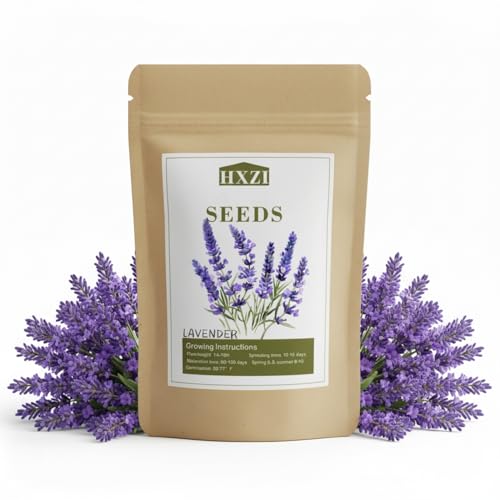 1. KCT GARDEN English Lavender Seeds, 10,000 Seeds | Check price on Amazon | |
 3. Outsidepride French Marigold Seeds Mix, 1,000 Seeds | Check price on Amazon | |
 4. White Lion Daffodil Bulbs, 10 Bulbs | Check price on Amazon | |
 5. YOKEBOM Outdoor Sage Salvia Live Plant, Blue Purple Sage | Check price on Amazon |
Key takeaways
- The best deer repellent flowers are deer-resistant plants deer tend to avoid. Compare five lavender, marigold, daffodil, and salvia planting options here.
As an Amazon Associate we earn from qualifying purchases.
A garden in deer country fails in a familiar way. Tulips come up in spring and are bitten off before they open. Roses are stripped of buds overnight. Young perennials disappear down to stubs, while a few plants nearby are never touched at all. That uneven damage is the clue behind this guide. The best deer repellent flowers are not sprays, granules, or gadgets. They are flowering plants that deer tend to leave alone because of how they smell, how their leaves feel in the mouth, or what compounds they contain. Planting more of those flowers, and fewer of the plants deer seek out, changes the odds across a whole bed rather than protecting one plant at a time. This guide presents five deer-resistant flower options sold as planting stock on Amazon in the United States, explains why deer avoid each type, and sets out the limits honestly, because no flower is completely deer-proof when animals are hungry enough.
Affiliate disclosure: This article contains affiliate links. If you buy through a link on this page, we may earn a commission at no additional cost to you.
Why Deer Avoid Some Flowers and Eat Others
Deer are browsers with strong preferences, not random grazers. They learn which plants in a neighborhood are easy, tender, and rewarding, and they return to those plants first. Deer-resistant flowers work against that learning in three main ways, and understanding the three helps a gardener combine plants sensibly instead of relying on a single species.
Strong scent. Lavender, marigolds, salvia, and catmint relatives carry aromatic oils in their leaves and flowers. A deer feeding by smell reads that sharp, resinous, or pungent scent as a warning that the plant will taste the same way. Scent is strongest on warm days and when foliage is brushed, which is one reason aromatic plants are often placed along bed edges and paths, where passing animals encounter the smell before they encounter the plants behind it.
Rough or fuzzy texture. Many deer-resistant flowers have hairy, coarse, leathery, or finely divided leaves that feel unpleasant compared with the smooth, soft growth deer prefer. Texture alone rarely stops a determined animal, but it reinforces scent and taste, and it matters most for plants at the front of a border that get investigated first.
Bitter or mildly toxic compounds. Daffodils are the clearest example in this guide. Their bulbs and foliage contain alkaloid compounds that make them unpalatable to deer and to most other garden wildlife, which is why daffodil plantings so often survive intact in gardens where tulips planted in the same bed are eaten. Allium, the ornamental onion group, works on a related principle through its onion scent and taste. Gardeners should still handle bulbs with care, keep them away from children and pets who might chew them, and never treat a garden bulb as food.
The honest limit. Deer resistance is a tendency, not a guarantee, and every experienced gardener in deer country learns the exceptions. A starving deer in late winter, a young deer that has not learned local tastes, or a garden in a drought where little else is green can all lead to damage on plants that are normally ignored. New growth is also more vulnerable than mature foliage, so even a resistant planting may need a temporary cage or net in its first season. The realistic goal is a bed that deer sample and then leave, season after season, rather than a bed they return to nightly.
How the Picks Were Chosen
Every pick below is a deer-resistant flowering plant sold as planting stock: a seed packet, a pack of bulbs, or a live plant, with the form stated clearly in each entry. No pick is a spray, a granular repellent, a solar gadget, or a fence, because those are different purchases that solve a different problem. The five picks cover different seasons and garden jobs. Lavender and salvia bring scented perennial or long-season flower spikes for sunny borders. Two marigold listings bring fast annual color that can be sown around vegetables and along edges in the same season it is bought. Daffodil bulbs bring early spring flowers from fall planting, using the group of bulbs deer are least likely to disturb.
Listing details such as seed counts, bulb counts, plant sizes, sunlight needs, and hardiness zones are taken from each product listing as checked for this guide. Where a listing describes a range of packet sizes or a mixed assortment, the entry says so rather than inventing a single uniform figure.
The 5 Best Deer Repellent Flowers
1. KCT GARDEN English Lavender Seeds, 10,000 Seeds
Form sold: seed packet, sold as a large-count packet of English lavender seed for indoor or outdoor planting.
Lavender is the classic deer-resistant flower, and this listing is the bulk seed route into it. The listing describes 10,000 English lavender seeds, sold by KCT GARDEN, producing plants with silvery-green foliage and purple flower spikes. It describes the plants as hardy, drought-tolerant, and deer-resistant, suited to borders, walkways, container gardening, and dry, sunny planting schemes, and it notes that the blooms attract pollinators such as bees and butterflies while deterring pests. The listing directs the plants toward full sun and well-drained, alkaline soil, which matches how lavender behaves in real gardens: it thrives in lean, dry ground and resents heavy, wet soil.
The deer logic is scent first. Lavender foliage and flowers carry the strong fragrance that gardeners dry for sachets, and that same intensity is what deer read at the edge of a bed. As a planting strategy, lavender works best as a repeated edging or a drift in the sunniest part of the garden, where its scent is encountered early and often. Starting lavender from seed takes patience, since germination and early growth are slower than for annual flowers, so this large packet suits gardeners willing to start seed indoors ahead of the season and transplant established seedlings.
View it on Amazon: https://www.amazon.com/dp/B0FHBW3QS7
2. HOME GROWN Petite French Marigold Seeds, 658 Seeds
Form sold: seed packet, sold as a packet of 658 French marigold seeds, with a two-pack style option shown in the listing.
French marigolds are the fast, practical pick in this group. The HOME GROWN listing describes Petite French Marigold seed, Tagetes patula, as an heirloom flower seed for outdoor planting, with a compact, low-growing habit of about 6 to 12 inches tall, suited to borders, edging paths, and window boxes. The listing presents French marigolds as a companion plant for tomatoes and peppers, stating that their roots release natural compounds that repel harmful nematodes, while their scent deters rabbits, deer, and mosquitoes. It also describes the seed as easy to grow, quick blooming, and low maintenance, with a high germination rate.
That combination explains the marigold’s garden role. It is not the most elegant flower in this guide, but it is one of the quickest ways to put a strongly scented, deer-discouraged edge around a bed or a vegetable row in the same season the seed is sown. Because the plants stay low, they protect by position as much as by chemistry: a band of marigolds at the front of a border is what a deer meets first, and their pungent foliage gives it a reason to move on before reaching softer plants behind. Sow after frost danger has passed and deadhead spent flowers to keep blooms coming.
View it on Amazon: https://www.amazon.com/dp/B0FNF8RY3Z
3. Outsidepride French Marigold Seeds Mix, 1,000 Seeds
Form sold: seed packet, sold as a French marigold seed mix in a range of packet sizes, with the 1,000-seed size as the common garden packet.
This second marigold pick is not a duplicate of the previous one in purpose. Where the HOME GROWN packet is a petite, single-type edging seed, the Outsidepride listing describes a Tagetes patula French marigold mix producing blooms in mixed hues of yellow, orange, and red, for gardeners who want a varied color band rather than a uniform row. The listing describes the plants as annuals reaching about 7 to 12 inches tall, blooming through spring, summer, and fall, thriving in USDA zones 3 to 10, and suited to borders, garden beds, and containers. It also describes the mix as heat and drought tolerant, easy to grow, and attractive to pollinators such as bees and butterflies, with named variety types in the mix including Bonanza, Durango Outback, and Little Hero types.
For deer planting, a mixed marigold band has one practical advantage: it can be sown thickly over a longer edge without looking like a single repeated dot of color, which makes it easier to maintain a continuous scented barrier along a fence line, a driveway bed, or the sunny front of a perennial border. The same limits apply as with any annual. The protection starts only once the plants are up and leafy, it ends with frost, and the seed must be sown again the following year. Gardeners who want that annual edge to reappear with less work each spring often pair marigolds with the perennials elsewhere in this guide, so the permanent planting carries the structure and the marigolds fill the front each season.
View it on Amazon: https://www.amazon.com/dp/B006HI4E6A
4. White Lion Daffodil Bulbs, 10 Bulbs
Form sold: bulbs, sold as a pack of 10 daffodil bulbs for spring blooming.
Daffodils solve the earliest problem in a deer garden, which is spring. Many gardens lose their first flowers of the year because fresh bulb growth appears when little else is available, and tulips in particular are eaten as buds form. This listing describes White Lion daffodil flowers as a pack of 10 bulbs producing large Narcissus blooms with crisp white petals and ruffled, bi-colored yellow centers, described as spring blooming, easy growing garden perennials that attract bees and butterflies. The listing names deer resistance among the product’s special features, which fits the wider behavior of the daffodil group.
The reason is chemistry rather than scent alone. Daffodil bulbs and leaves contain bitter alkaloid compounds, and deer learn to leave daffodils alone in a way they do not learn with tulips or lilies. That makes daffodils useful as more than a flower in their own right. Planted in the same bed as later perennials, a spring drift of daffodils occupies the bed early, and their fading foliage period overlaps with the moment when lavender, salvia, and coneflower-type plantings are growing up around them. Plant the bulbs in fall before the ground freezes, at a depth suited to the bulb size stated by the seller, in a spot with sun in spring and drainage in summer. Keep bulbs away from children and pets, wear gloves if handling many bulbs at once, and let the foliage die back naturally after flowering so the bulb can store energy for the following year.
View it on Amazon: https://www.amazon.com/dp/B0FMBTK8NB
5. YOKEBOM Outdoor Sage Salvia Live Plant, Blue Purple Sage
Form sold: live plant, sold as one outdoor salvia plant, described in the listing as about 4 to 8 inches tall on arrival, supplied without a pot.
This is the live-plant route in the guide, for gardeners who want a salvia in the ground this season rather than a seed packet to start. The listing describes one outdoor sage salvia live plant in a blue purple sage color, at a size of about 4 to 8 inches tall, sold without a pot by YOKEBOM. Buyers should therefore plan to have soil and a pot or bed space ready on delivery, and to water the plant in promptly, because a small bare or unpotted live plant should not sit in its shipping packaging while a gardener finds time later in the week.
Salvia earns its place here through aromatic foliage. Salvias are members of the wider mint family group of scented plants, with leaves that release a strong herbal scent when brushed, and deer generally prefer softer, milder foliage from other plants in the same bed. Flower spikes in blue and purple also bring a long run of color and steady pollinator activity through the warm season in a sunny border. Place this plant in full sun with drainage, give it room to fill out rather than crowding it against a wall, and treat its first weeks as establishment time, with regular watering until roots settle. Because the listing describes a single small plant rather than a mature shrub, gardeners wanting a full salvia drift should order multiples or combine this live start with seed-grown perennials in the following season.
View it on Amazon: https://www.amazon.com/dp/B0CCKQK17Z
Side-by-Side Comparison
| Pick | Plant type | Form sold | Listing detail | Best garden job |
|---|---|---|---|---|
| KCT GARDEN English Lavender | Lavender, perennial habit | Seed packet | 10,000 seeds, purple spikes | Scented sunny edging and drifts |
| HOME GROWN Petite French Marigold | French marigold, annual | Seed packet | 658 seeds, 6 to 12 inches tall | Fast edging and vegetable companions |
| Outsidepride French Marigold Mix | French marigold mix, annual | Seed packet | 1,000-seed size, zones 3 to 10 | Mixed-color scented bands |
| White Lion Daffodil | Daffodil, perennial bulb | Bulbs, pack of 10 | White petals, yellow centers | Early spring flowers deer avoid |
| YOKEBOM Salvia | Sage salvia | Live plant, no pot | One plant, 4 to 8 inches tall | Instant sunny border start |
The table shows the real division of labor. The bulbs flower first, the marigolds fill the front quickly in summer, and the lavender and salvia build the scented perennial structure that returns each year.
How to Plant a Bed Deer Mostly Leave Alone
Start with the edge, because deer decide at the edge. Put the most strongly scented plants, lavender and marigolds in summer, where animals enter the bed: along paths, at fence corners, and at the open lawn side of a border. Then place the flowers deer love, if you grow any at all, deeper inside the planting and closer to the house, where human activity adds a second discouragement. A single lavender plant in a large bed does little; a repeated run of scented plants changes what the whole bed smells like from a deer’s approach.
Layer by season so there is never a month when the bed is only tender new growth. Daffodils cover early spring. Marigolds cover the warm months quickly from seed. Lavender and salvia carry the border through summer and, once established, return without replanting. Protect all new planting for its first few weeks regardless of species, because transplant stress and soft growth invite sampling that mature plants would not receive. A temporary ring of netting or a low cage, removed once growth hardens, is cheaper than replacing eaten plants.
Finally, remove easy rewards from the same space: fallen fruit, feeders, and highly attractive plants scattered through the bed all invite repeat visits. Note which plants are actually damaged over one full season, because local deer develop local habits.
What to Avoid
Avoid buying a deer-resistant flower and planting it alone in an otherwise attractive bed, then judging the whole idea by that one plant. Avoid assuming seed packets and bulbs work on the same timetable: marigold seed can flower in the season it is sown, while daffodil bulbs planted in fall flower the following spring, and lavender from seed is a longer project. Avoid planting lavender or salvia in heavy, waterlogged soil and blaming deer resistance when the plant fails for drainage reasons. Avoid handling daffodil bulbs carelessly around children and pets. And avoid the phrase deer-proof in your own planning. These plants shift the odds strongly in the gardener’s favor, but a hungry deer remains a wild animal with its own priorities.
Verdict
The best deer repellent flowers are a planting system, not a single miracle species. Choose the KCT GARDEN English lavender seed for a scented perennial edge in dry sun, the HOME GROWN petite French marigolds for a fast, compact band around vegetables and paths, and the Outsidepride French marigold mix for a longer mixed-color barrier. Plant the White Lion daffodil bulbs in fall for spring flowers deer reliably leave alone, and add the YOKEBOM salvia live plant where an immediate scented start is wanted in a sunny border. Combined, protected while young, and matched to sun and drainage, these five give a deer-country garden color in every season with far less of it eaten.